
Horse racing has produced few moments in sport as consistently dramatic as the Kentucky Derby. Every first Saturday in May, Churchill Downs in Louisville becomes the center of the sporting world — a place where two minutes of racing carry the weight of months of preparation, millions of dollars in investment, and the careers of everyone connected to the horses on the track. Whether you follow thoroughbred racing closely or tune in once a year for the spectacle, the Derby delivers. Fans looking to follow racing markets and major sporting events can find dedicated coverage at db bet.
The Kentucky Derby: Why It Matters
The Run for the Roses has been held annually since 1875, making it the longest-running major sporting event in the United States. What separates it from other prestigious races is the restriction to three-year-olds — horses competing at the absolute peak of their physical development, before age and mileage begin their inevitable work. The mile-and-a-quarter distance at Churchill Downs tests speed, stamina, and temperament simultaneously. A horse that wins here has demonstrated qualities that no other single race demands in quite the same combination. The winner does not just claim a trophy — it enters a conversation about greatness that stretches back 150 years of American racing history.
Kentucky Derby Horses: What Makes a Contender
Not every talented thoroughbred is built for the Kentucky Derby. The qualification pathway — earning points through a series of designated prep races across the American racing calendar — filters the field toward horses with genuine stamina alongside speed. Kentucky Derby horses must handle the chaos of a large field, the pressure of Churchill Downs’ unique track configuration, and the weight of being the most scrutinized animals in sport on a single afternoon. Post position matters enormously — wide draws force horses to cover extra ground, while rail positions create traffic risks in the opening furlongs. Trainers spend months engineering a preparation that peaks precisely on Derby day, a task that requires as much art as science.
The Great Derby Horses of Recent Decades
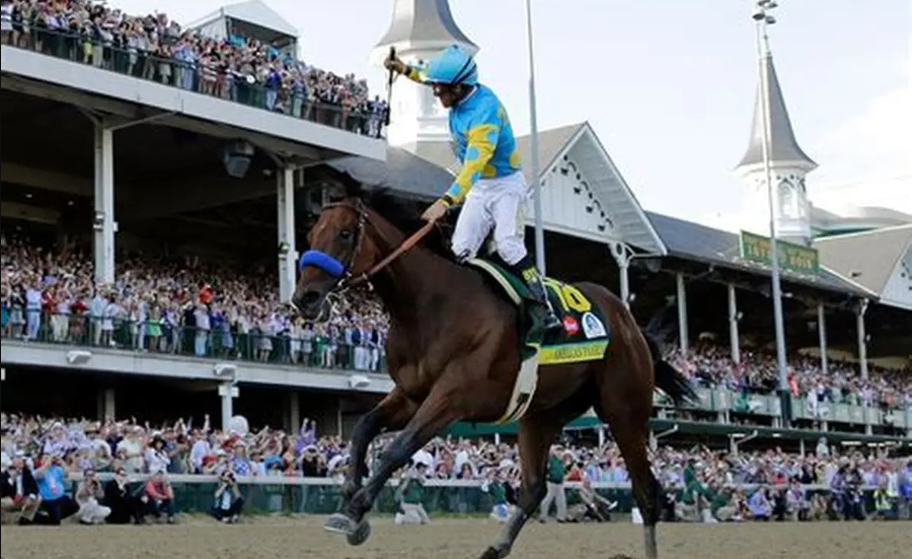
The modern Derby era has produced horses whose names have become synonymous with the race itself. American Pharoah in 2015 ended a 37-year Triple Crown drought and was received with the kind of public emotion reserved for athletes who carry the weight of history. Justify in 2018 became only the second horse to win the Triple Crown without having raced as a two-year-old — a feat that redefined what preparation for the classics could look like. Secretariat’s 1973 Derby record of 1:59.40 remains the fastest in the race’s history and is widely considered the most dominant performance in thoroughbred racing history. These are not merely great racehorses — they are cultural landmarks that transcend sport.
Who Won the Kentucky Derby: Recent Champions
The Derby’s recent history has been marked by upsets, controversies, and moments of genuine brilliance that reflect the race’s unpredictable character. Maximum Security crossed the line first in 2019 only to be disqualified for interference — the first such ruling in Derby history — handing the victory to Country House in one of racing’s most discussed verdicts. Medina Spirit won in 2021 before being disqualified post-race following a medication violation, adding another chapter to a decade of controversy. Mage delivered a popular win in 2023 as a moderate-priced contender who found his best racing on the day that mattered most. Who won the Kentucky Derby in any given year is never a simple story — the race produces narratives that racing fans argue about for years afterward.
The Role of Trainers and Jockeys in Derby Success
Behind every Kentucky Derby winner stands a trainer whose decisions across months of preparation determined whether the horse arrived at Churchill Downs ready to compete at the highest level. Bob Baffert’s record of multiple Derby victories made him the defining trainer of his era before controversy complicated his legacy. Todd Pletcher, Bill Mott, and Doug O’Neill represent the generation of trainers whose tactical intelligence and horsemanship have shaped the modern race. Jockeys carry equal significance — the Derby field is large, the pace brutal, and the decisions made in the first half-mile often determine the result. The partnership between horse, trainer, and jockey is the fundamental unit of thoroughbred racing, and the Derby tests all three simultaneously.
Churchill Downs: The Track That Shapes the Race
Churchill Downs is not merely a venue — it is a participant in the Kentucky Derby. The track’s unique configuration, with its tight turns and long homestretch, rewards horses that can settle early and accelerate late rather than front-runners who burn energy establishing position. The famous twin spires that define the Churchill Downs skyline have overlooked the race since 1895 and remain one of American sport’s most recognizable architectural images. Track conditions vary dramatically by year — a sloppy surface following spring rain creates a completely different race than a fast dry track, disadvantaging some horse types and rewarding others. Understanding Churchill Downs is part of understanding why the Derby produces so many surprising results each year.
The Triple Crown: What Comes After the Derby
The Kentucky Derby is the first jewel of thoroughbred racing’s Triple Crown — the series completed by the Preakness Stakes at Pimlico and the Belmont Stakes at Saratoga. Winning all three in a single season represents the sport’s ultimate achievement, accomplished only thirteen times in history. The challenge is not merely winning three races — it is winning three races at different distances, on different tracks, against increasingly rested opponents, within a five-week window that leaves no margin for recovery. Most Derby winners skip at least one Triple Crown race to protect their long-term soundness and breeding value. The decision of whether to pursue the full series generates as much debate in racing circles as the races themselves.
Betting and the Kentucky Derby Experience
The Kentucky Derby is inseparable from wagering — it generates the largest single-day betting handle in American horse racing by a considerable margin, with hundreds of millions of dollars wagered across all betting formats on race day. The exotic wagers — exacta, trifecta, superfecta — offer enormous payouts when longshots finish in the frame, and the Derby’s history of upsets makes those outcomes more common than in more predictable races. Understanding the morning line odds, how they shift in the final hours before post time, and what they reflect about public confidence versus genuine form assessment is itself a specialist skill. For fans who engage with racing beyond simple win bets, the Derby offers one of sport’s richest wagering environments.
Why the Kentucky Derby Endures
Sport produces few traditions as durable as the Kentucky Derby. The mint juleps, the elaborate hats, the singing of My Old Kentucky Home before the horses enter the track — these rituals connect the modern race to its 19th-century origins in ways that feel genuine rather than manufactured. The race itself consistently delivers — the combination of a large field, high speeds, varied tactics, and the sheer unpredictability of young horses means the Derby almost never produces a processional result. Each year brings a new cast of contenders, a new set of storylines, and two minutes of racing that justify every second of the buildup. It is one of sport’s great annual certainties — that whatever else happens in May, the Kentucky Derby will be worth watching.
