
Asking which sport dominates Africa is simpler than it sounds and more complicated than the answer suggests. The continent’s diversity — 54 nations, hundreds of languages, vastly different colonial histories and cultural traditions — means that sporting preferences carry regional and ethnic dimensions that a single continental ranking obscures. What is universal is the passion. African sport fandom operates at an emotional intensity that visitors consistently describe as unlike anything they have encountered elsewhere. Fans looking to follow African sport across disciplines and markets can find dedicated coverage at Dbbet.
Most Popular Sport in Africa: Football by Every Measure
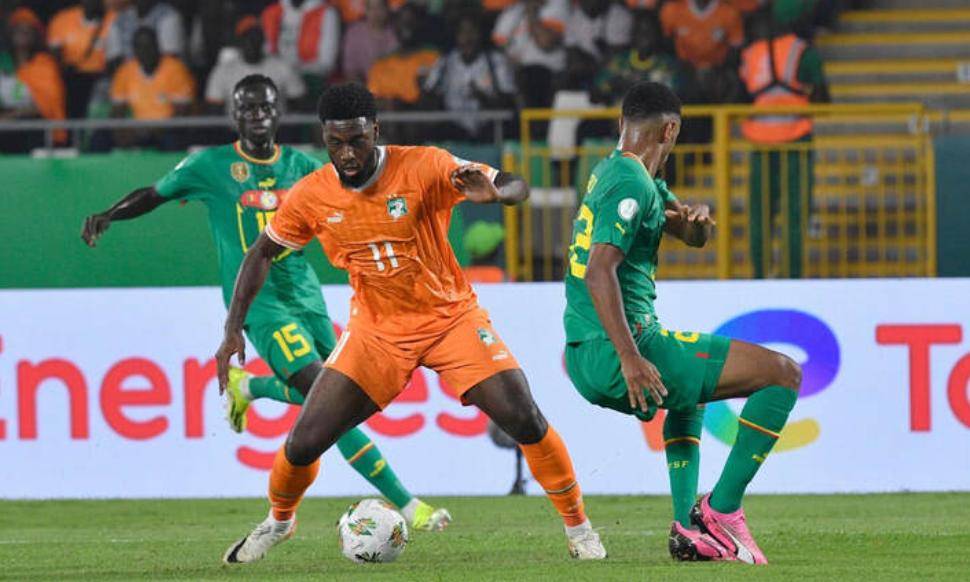
Most popular sport in Africa — football wins without serious competition across virtually every metric available. Participation numbers, television viewership, social media engagement, economic impact, and cultural penetration all point to the same conclusion. From Cairo to Cape Town, Dakar to Nairobi, football is the organizing principle of sporting life for hundreds of millions of people across the continent. Children play it in streets, schoolyards, and designated pitches with equal intensity. Adults follow club football from European leagues — the English Premier League commands enormous African viewership — alongside domestic competitions whose local meaning exceeds any broadcaster’s reach. The Africa Cup of Nations stops nations. World Cup qualification campaigns generate collective emotional experiences that governments have learned to navigate carefully given how deeply results affect public mood.
What Is the Most Popular Sport in Africa: Regional Variations
What is the most popular sport in Africa produces different answers when the question is applied regionally rather than continentally. Rugby commands genuine mass followings in South Africa, Namibia, and Zimbabwe in ways that have no parallel in West or East Africa. Cricket is deeply embedded in South African culture and maintains growing presence in Zimbabwe and East African nations where the sport is expanding through ICC development programs. Basketball is growing fastest in urban environments across West Africa — Nigeria’s basketball culture has produced NBA players for decades, and the sport’s popularity among younger demographics in Lagos and Accra suggests its footprint will expand considerably over the next generation. Kenya and Ethiopia’s relationship with athletics borders on national religion — distance running success is celebrated with the intensity that football victories receive in most other countries.
Most Played Sport in Africa: The Grassroots Reality
Most played sport in Africa at genuine grassroots level is football by a margin that participation data consistently confirms. The sport’s accessibility — a ball, any open space, improvised goals — means it functions as the default physical activity across socioeconomic categories that more equipment-dependent sports cannot reach. Rural communities without electricity or formal sports infrastructure play football. Urban slums where space is scarce produce football on whatever surface is available. This universal accessibility is the foundation of football’s continental dominance — it is not merely the most watched or most commercially significant sport in Africa, it is the most played sport in the most literal sense. The informal participation numbers — pickup games, neighborhood competitions, school kickabouts — dwarf any formal registration figure and represent the true scale of football’s African presence.
African Football’s Competitive Structure
The organizational framework supporting African football runs from CAF’s continental competitions down through national federations and into domestic league structures of varying sophistication. The CAF Champions League and CAF Confederation Cup provide the continent’s top clubs with competitive benchmarks against opposition from different national leagues. The Africa Cup of Nations, held every two years, delivers the continental championship that commands the greatest collective attention. Qualification campaigns for the FIFA World Cup generate sustained national engagement across the continent — African nations receive nine spots in the expanded 2026 format, creating broader realistic ambition across more national programs than previous allocations allowed. The competitive structure has matured considerably, though governance challenges at CAF and several national federation levels continue to complicate the sport’s development trajectory.
Basketball’s Rapid Growth Across the Continent
Basketball’s trajectory in Africa represents the sport’s fastest-growing major market globally. The NBA’s strategic investment through the Basketball Africa League has created professional infrastructure that gives the sport visibility and aspiration that purely organic growth could not have generated at the same pace. Nigeria has produced NBA players across multiple generations — Hakeem Olajuwon’s legendary career created the template that subsequent Nigerian NBA players have followed. Cameroon, Senegal, Congo, and South Africa have all produced players competing at the highest professional level. The BAL’s expansion of franchise cities and its deliberate cultivation of African basketball identity — rather than positioning itself as a developmental stepping stone to American basketball — reflects an understanding that sustainable growth requires building genuine local attachment rather than merely exporting talent.
Athletics: East Africa’s Global Dominance
No continent dominates a single global sport discipline the way East Africa dominates distance running. Kenya and Ethiopia have produced the majority of world record holders, Olympic champions, and major marathon winners across four decades of consistent excellence. The physiological and cultural factors that produce this dominance — altitude training environments, high-volume active childhood, and the transformative economic impact of athletics success — create a self-reinforcing system that continuously produces new elite performers. Eliud Kipchoge’s sub-two-hour marathon broke a barrier once considered physiologically impossible and did so with a Kenyan athlete trained within Kenya’s own development system. For millions of young East Africans, athletics represents the most clearly navigable pathway from rural poverty to international recognition, which gives the sport a motivational depth that sustains participation at the grassroots level required to maintain the talent pipeline.
Rugby’s Southern African Stronghold
South African rugby’s hold on its sport within the continent is as absolute as football’s continental dominance is general. The Springboks’ World Cup record places South Africa among rugby’s two or three greatest nations historically, and the sport penetrates South African culture — particularly Afrikaner, Coloured, and increasingly Black communities — at a depth that creates genuine national identification. The provincial franchise structure feeding the Springbok program through the United Rugby Championship delivers the competition quality required to maintain international standards. Namibia’s sustained World Cup qualification — remarkable for a nation of its population size — reflects how seriously rugby is developed at school level in Southern Africa. The sport’s geographic concentration on the continent’s southern tip creates a clear regional stronghold rather than the continental spread that football achieves, but within that region rugby’s cultural weight is absolute.
Combat Sports and Traditional Athletics
Africa’s contribution to boxing has been consistent across generations — Africans and African-heritage fighters have held world titles in virtually every weight class across every major sanctioning organization. South Africa, Nigeria, Ghana, and Uganda have produced champions whose names carry global recognition. The sport’s accessibility — requiring minimal equipment beyond gloves and a training space — makes it viable across economic contexts where more resource-intensive combat sports cannot establish themselves. Traditional wrestling carries enormous cultural significance across West Africa — Senegalese wrestling, known as Laamb, draws crowds of tens of thousands to matches in Dakar and commands sponsorship from major national corporations. The sport exists entirely outside international athletic frameworks but generates passion and economic activity that rival formally organized international disciplines within its cultural context.
The Commercial Future of African Sport
The commercial development of African sport — converting passionate fanbases into sustainable revenue streams that fund infrastructure and athlete development — represents the continent’s most significant sporting challenge over the next decade. African football generates enormous passion but captures relatively modest commercial value compared to leagues with comparable audience scale in other parts of the world. Broadcast rights, sponsorship penetration, and matchday revenue all sit below the levels that the sport’s popularity would suggest in a fully developed commercial environment. The Basketball Africa League’s NBA-backed model demonstrates what external investment and professional commercial management can deliver in terms of accelerating league development. Morocco’s World Cup preparation is generating stadium investment that will serve commercial sport for decades. The trajectory is positive — African sport’s commercial infrastructure is developing, simply from a lower base than the passion it serves would suggest should be the case.
